Vercel's Free Next.js Data Cache Becomes Billed Runtime Cache
Check Data Cache usage in Observability before Hobby teams migrate Nov. 29, when reads and writes start billing at $0.40 and $4.00 per million.
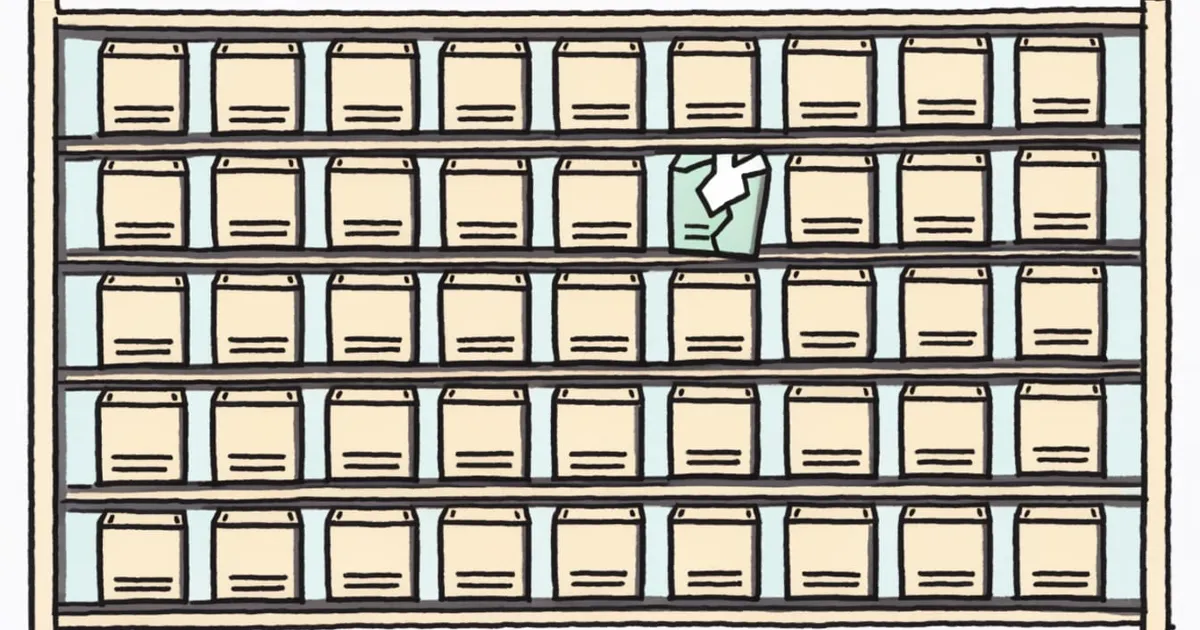
Vercel is moving Next.js fetch caching and unstable_cache from Data Cache, which did not bill for reads and writes, to Runtime Cache, which does. Hobby teams migrate on Nov. 29 (Vercel changelog, Oct. 30, 2026).
What changed
Vercel said Data Cache is leaving beta and merging into Runtime Cache. The switch applies to every Next.js version and needs no code changes. Teams created on or after Oct. 30 get Runtime Cache by default.
Once a team migrates, reads and writes that were previously unbilled are charged at Runtime Cache rates. Those start at $0.40 per million read units and $4.00 per million write units, and vary by region. Hobby teams get 1 million read units and 200,000 write units free each month across all projects. On Pro, usage draws from the $20 monthly infrastructure credit, and anything beyond it is billed at regional rates.
Storage grows. Each Pro project and environment gets its own allocation, 8x the space of Data Cache’s team-wide pool, Vercel said. Enterprise projects get 10x.
Dates
Vercel will migrate Hobby teams on Nov. 29. It will notify each Pro team of its migration date and when billing starts, and Enterprise account teams will contact customers.
Existing Hobby and Pro teams can opt in early from CDN settings starting Oct. 30. Runtime Cache pricing applies the moment a team opts in. Teams can also turn off fetch and unstable_cache caching in CDN settings. Vercel said that sends more requests to the data source and does not stop the migration.
What to check
Vercel’s advice is to open Data Cache usage in Observability before migrating, then follow its optimization guide to cut unnecessary reads and writes. It also published a prompt for coding agents, and the Runtime Cache dashboard has an Optimize with Vercel Agent option.
Our take
A write costs 10 times a read, so an app that revalidates often or caches many small fetch results can write far more than it reads. Pages that used revalidate with short windows are the first place to look.
Pro teams have the least certainty. The $20 credit is shared with the rest of the infrastructure bill, and the migration date arrives by notice. Observability can give an estimate today. Hobby teams have a fixed date and a free tier that a busy site can exhaust.
Keep reading
Next.js Patches Two Critical RCEs, One With No Workaround
Next.js 16.4.1 and 15.5.28 fix two unauthenticated RCEs and a Server Actions DoS. Netlify says its hosting limits the damage.

Vercel Bills Existing Pro Teams for Deployment Storage
Vercel will charge all Pro teams $0.10 per GB-month for deployment storage and delete deployments older than 30 days starting October 23.

Vercel Uncaps Blob Stores, Then Meters Creating One
Vercel removed its per-plan cap on Blob stores Sept 23, then made creating one a billed operation, a week after cutting Hobby's storage grace period.